eFREIGHT 2030 Members Out in Force at the Motor Transport Decarbonisation Summit 2025  

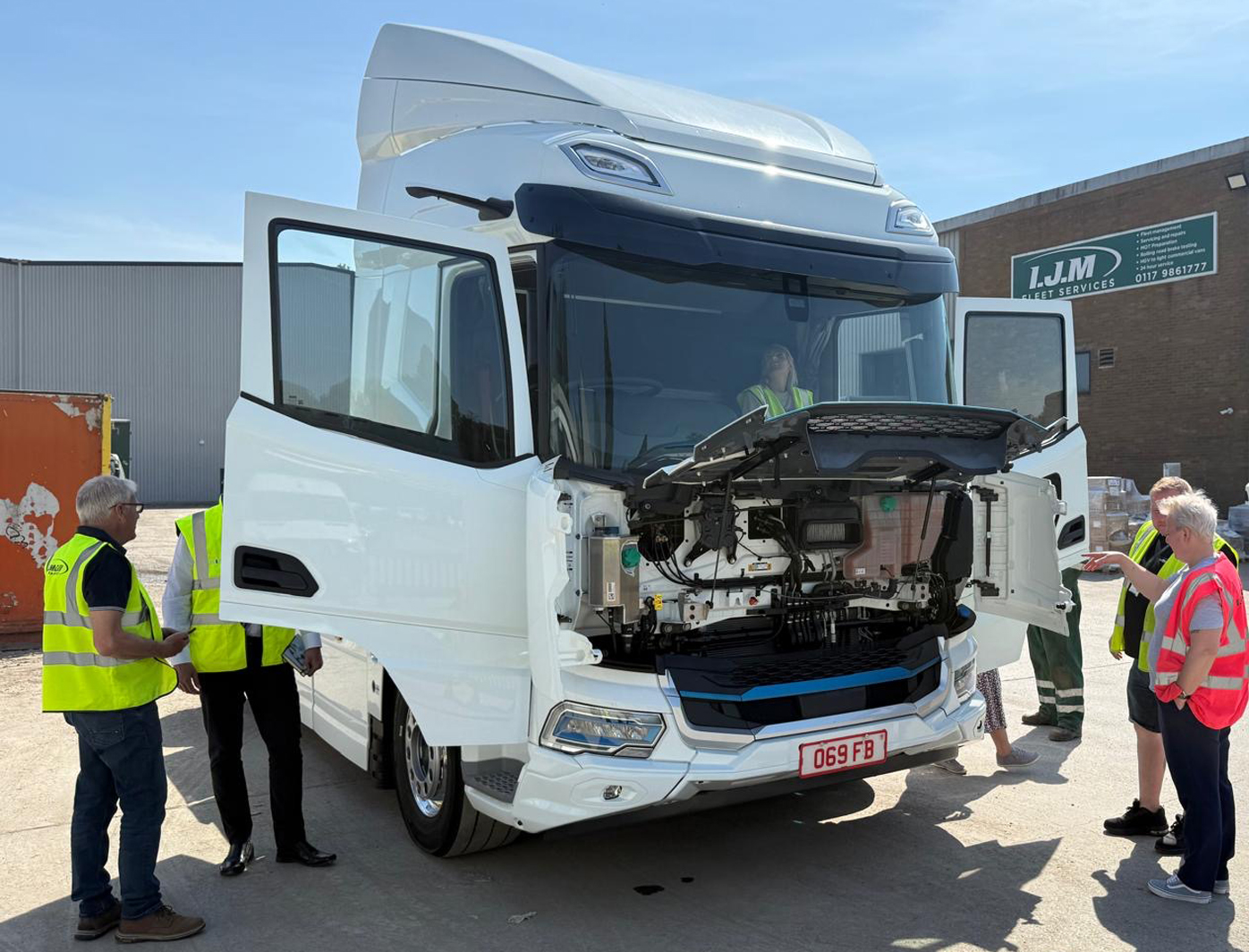
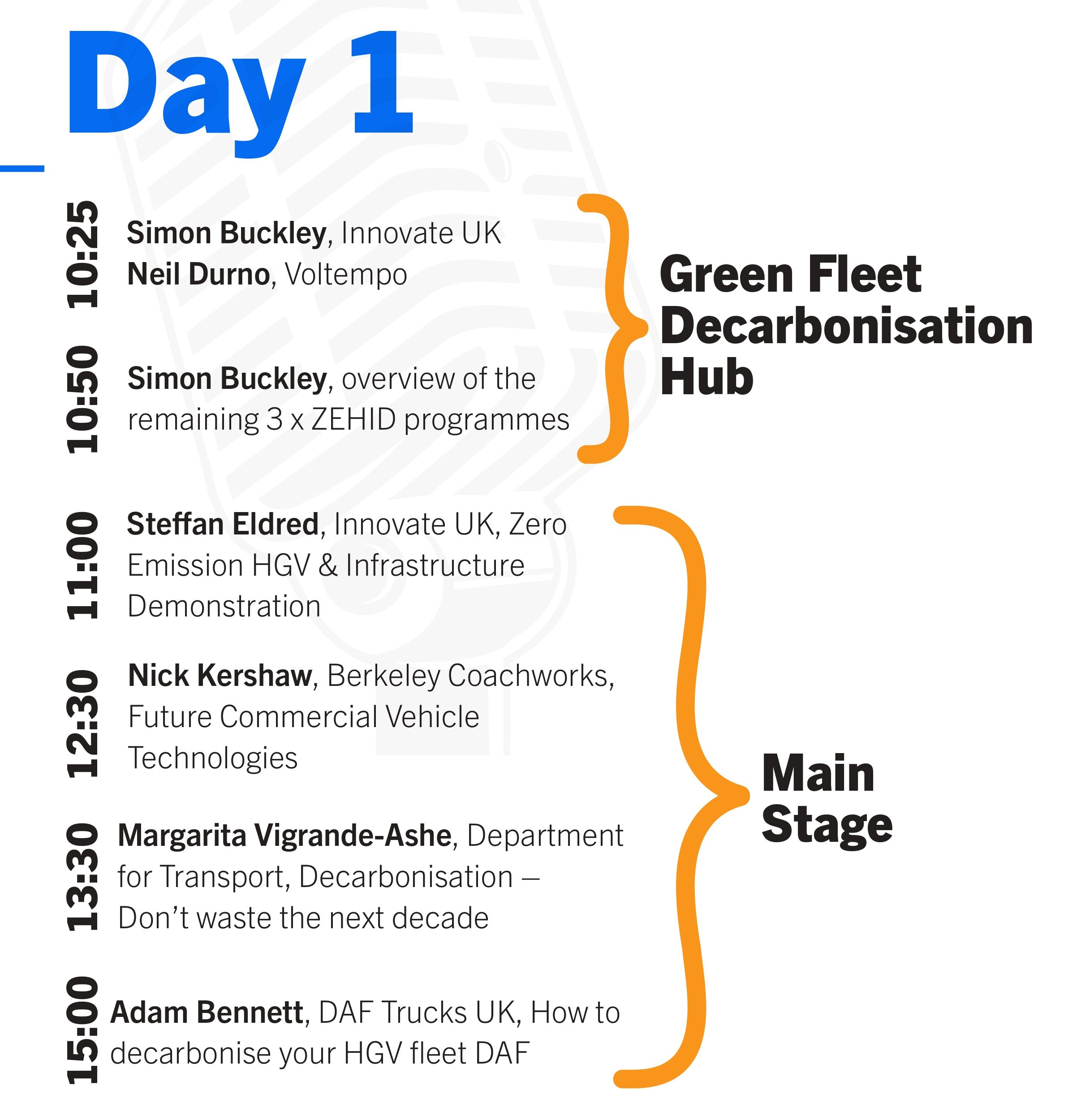
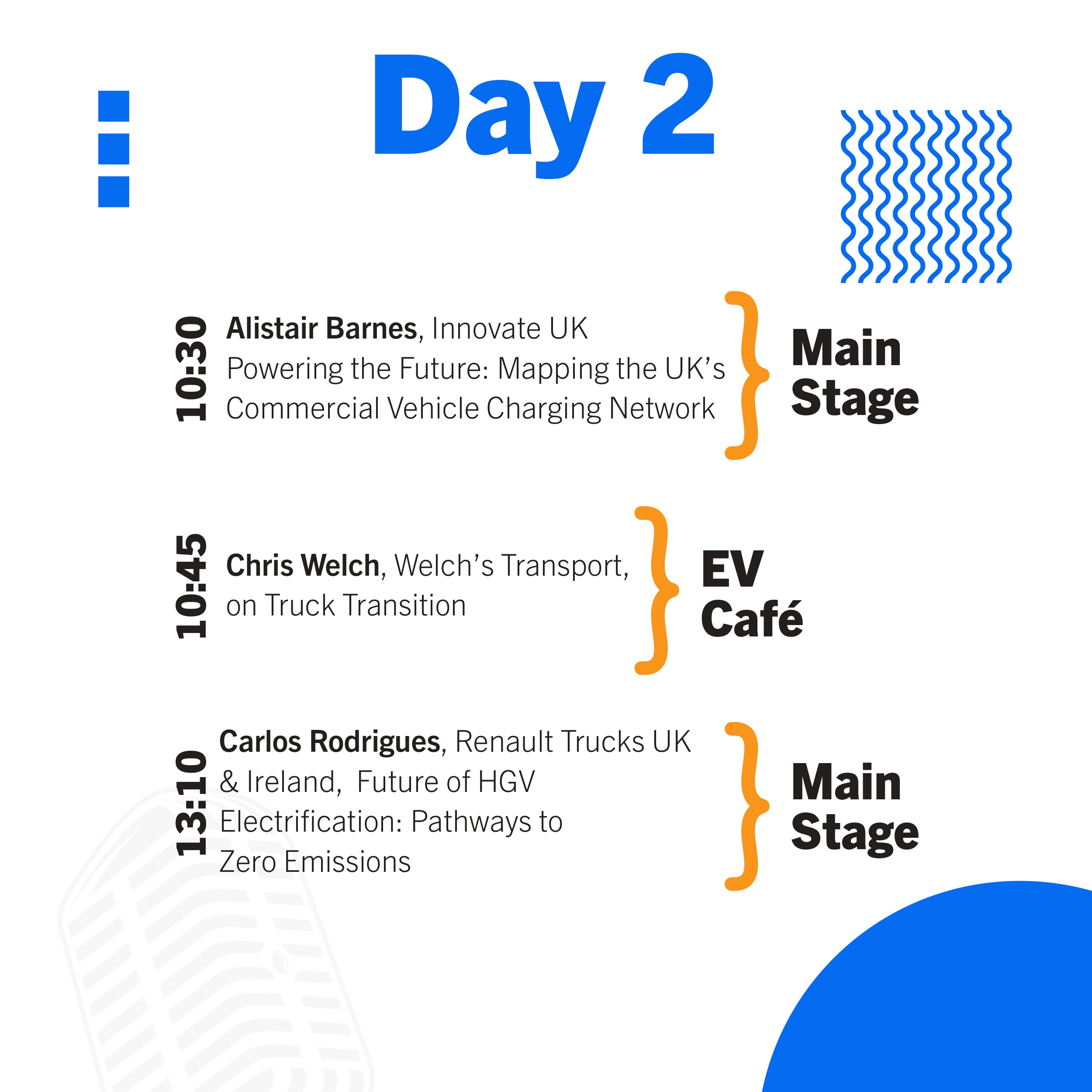
Several eFREIGHT 2030 members championed electrification at the 2025 Motor Transport Decarbonisation Summit in September. Hosted at Tyseley Energy Park, the event gave attendees the opportunity to hear from DAF, Voltempo and Berkeley Coachworks amongst others. Unlike typical conference formats, workshops across the afternoon focused on a hands-on approach to decarbonisation solutions, with active demonstrations and tours of the facilities at the energy park.  

Voltempo 
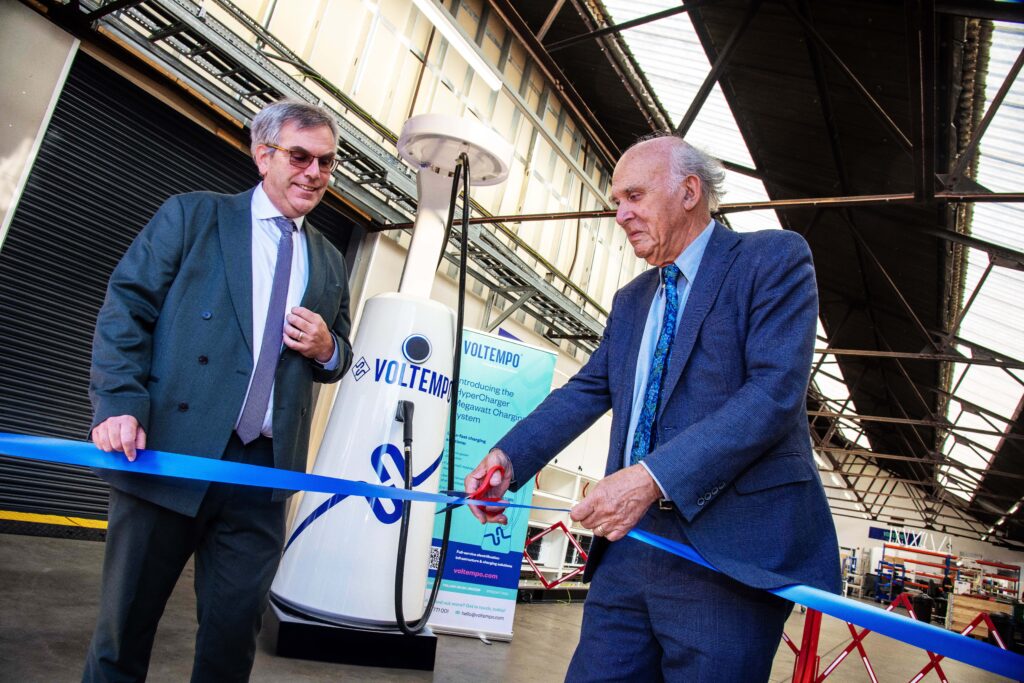
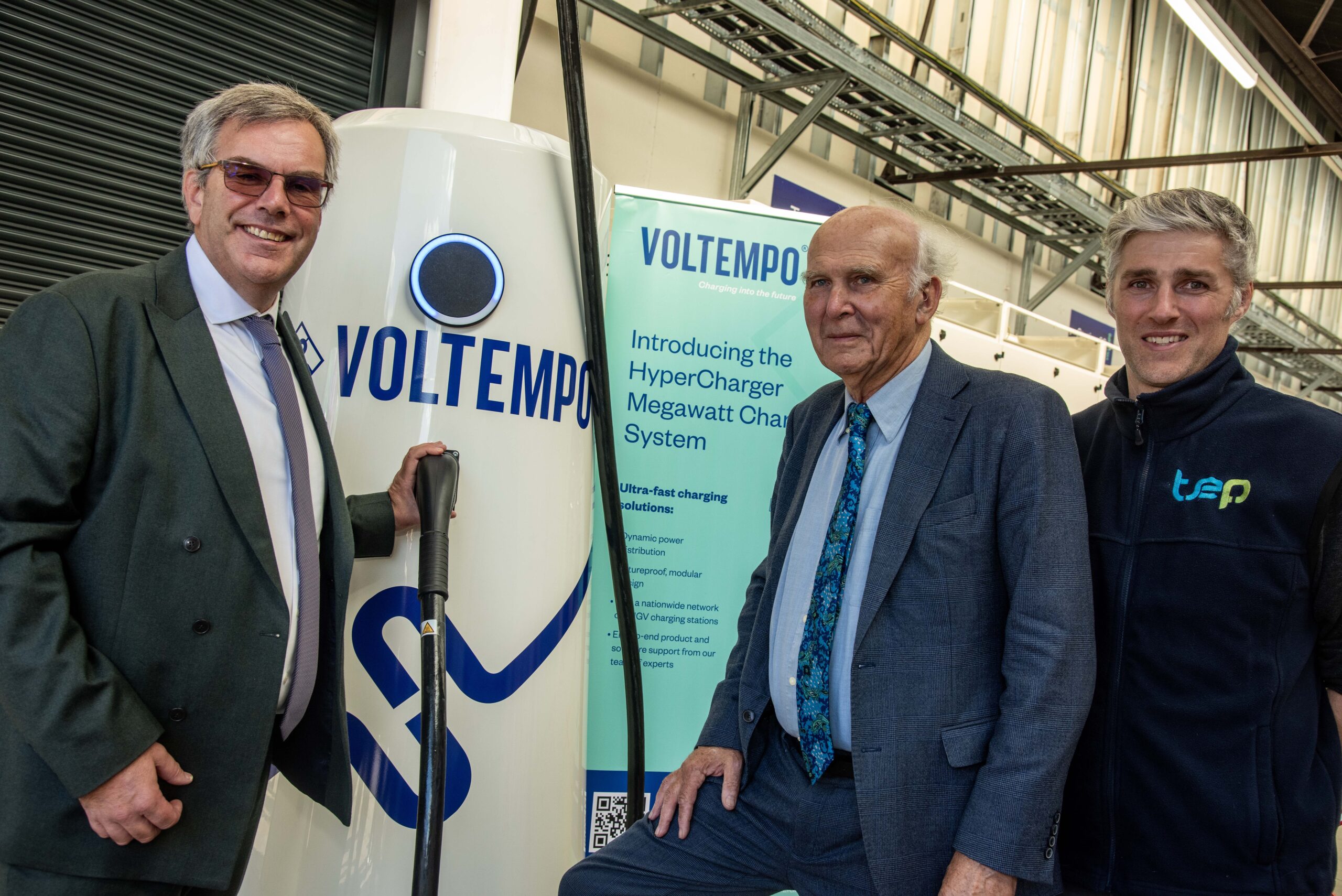
It was an historic day for the consortium leader Voltempo as Sir Vince Cable cut the ribbon on the company’s facility where it has now begun manufacturing HyperChargers. While other talks at the summit covered alternative fuels such as HVO, hydrogen, CNG and LNG, Voltempo highlighted how its HyperCharger is a breakthrough technology for electric trucks.  

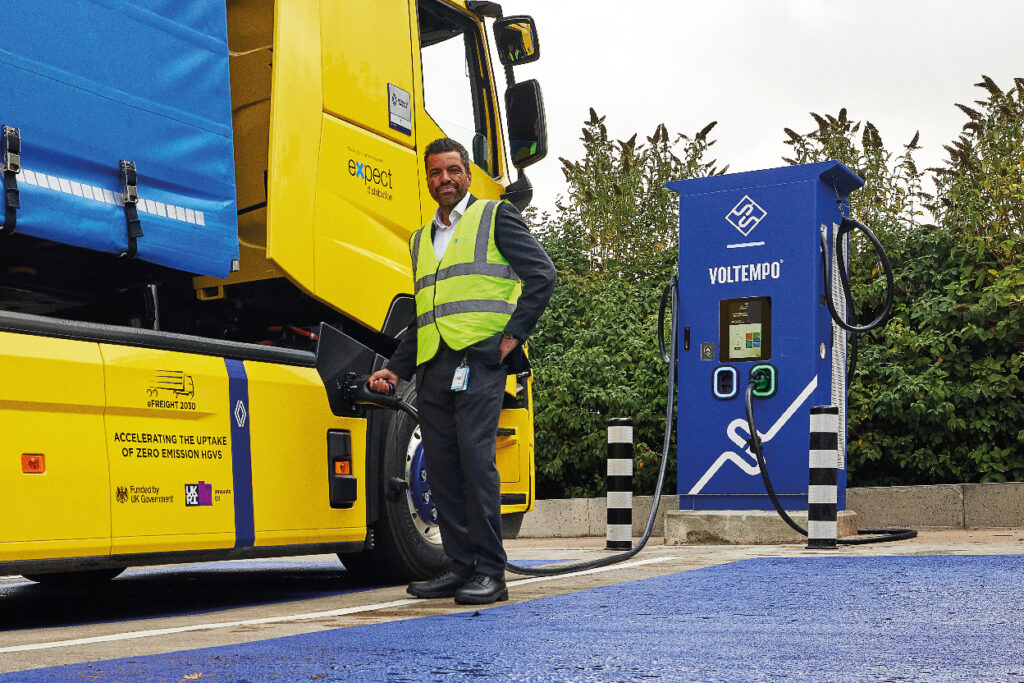
Designed specifically for trucks, the HyperCharger is a plug-and-charge solution without screens or an interface. Drivers just plug the truck in and Voltempo’s software can identify the vehicle. Coloured lighting on the charger indicates charge status, making the system easy to understand.  

The charging equipment is accompanied by a slimline unit which houses the brains of the system. Now manufacturing has officially commenced, the team plans to build an additional 26 systems this year. Following Tesla’s example, Voltempo wants to install charging infrastructure in strategic locations in preparation for wider eHGV adoption.  

Michael Boxwell, CEO of Voltempo explained his vision for the regulatory landscape needed to support freight decarbonisation. After the depot charging scheme concludes, Boxwell expects more government support for infrastructure installations. He also expressed the need for an industry-wide long term decarbonisation plan which can be presented to the government to guide legislative changes required to execute the plan.  

With a clear roadmap from industry, Boxwell believes this will allow infrastructure providers to invest in charging installations with the confidence in how it will be used. He argued this will give the industry leverage to ensure it gets priority grid access to electrify fleets.  

Although the initial period to get involved with eFREIGHT 2030 has passed, Boxwell reminded attendees that the consortium has launched an associate membership scheme to allow other operators to benefit from the programme.  

Berkeley Coachworks 
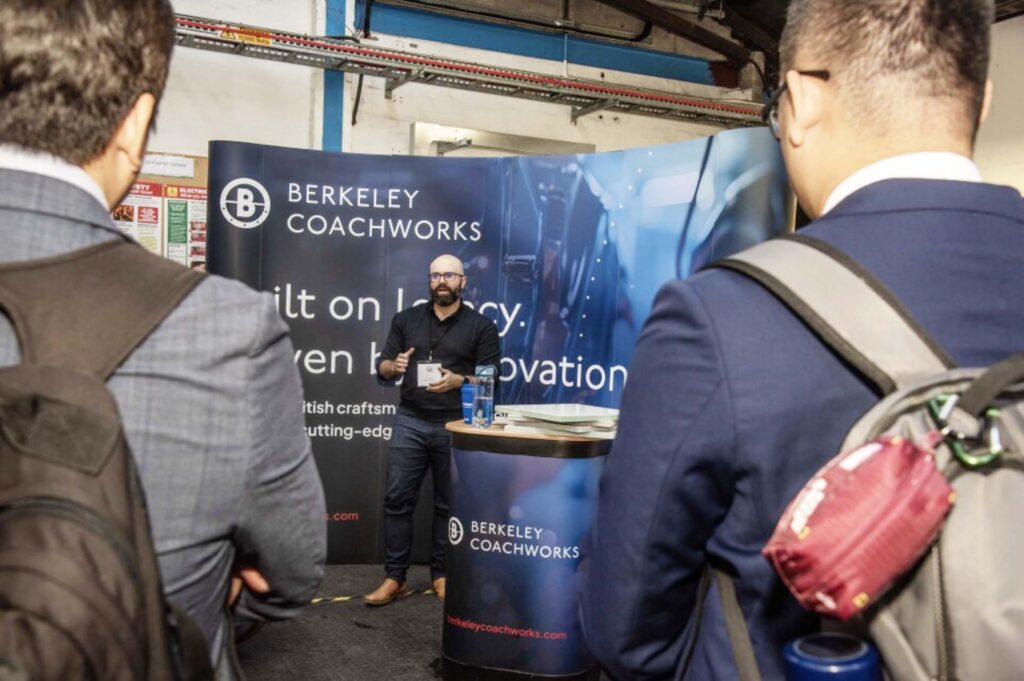
Attendees were also given an insight into Berkeley Coachworks’ novel approach to electrification. The team explained that trailer technology has remained largely unchanged since the 1950s. Instead of continuing to use trailers as passive assets, Berkeley is developing an active trailer solution which can act as a range extender for eHGVs.  

The goal is to mount batteries on the trailer with enough capacity to increase the truck’s range by at least 50% in 45 minutes. This would require approximately 1.5 tonnes of battery weight. As payload restrictions are often cited as key barriers to eHGV adoption, just adding batteries to trailers would be counterproductive.  

Instead, Berkeley is aiming to take 1.5 tonnes off the weight of a standard trailer to maintain equivalent payload capacity. Since they have a fairly basic design to begin with, alternative materials are seen as the best way to lightweight trailers. The team brought a number of examples with them including a comparison between composite and steel wheels. A standard steel truck wheel weighs around 44kg, Berkeley’s composite solution cuts that to 16kg.  

Elsewhere on the vehicle, lightweight recyclable trailer panels can help to save around 500kg per boxside. Berkeley recently acquired a Northern Irish manufacturer that specialises in these panels, bringing its manufacturing capabilities in house.  

While composite materials can offer significant weight savings, these solutions can be costly and energy intensive. Rather than use carbon fibre, Pembrokeshire wool from local farmers near Berkeley’s headquarters in South Wales is being used with bioresins. Due to regional conditions, wool from the area is typically unsuitable for clothing, making it the ideal sustainable solution for composites since it would otherwise go to waste.  

To reach its target weight reduction, Berkeley intends to tackle the chassis next. However, the company is mindful of creating lightweight components that can be retrofitted to existing trailers. Over the next six months, the plan is to start looking at lightweighting other types of trailers including double deck units. A motorised hands free side slide system for curtainsiders is also in development.  

Early ambitions for the trailer electrification project will see the trailer used as a mobile recharging station. In future though, trailers could be fitted with e-axles to not only recover energy during braking but to add driven axles which can help to improve fuel efficiency, even with a diesel tractor unit. Berkeley is keen to fully explore the possibilities of reframing trailers as active assets.  

DAF Trucks  
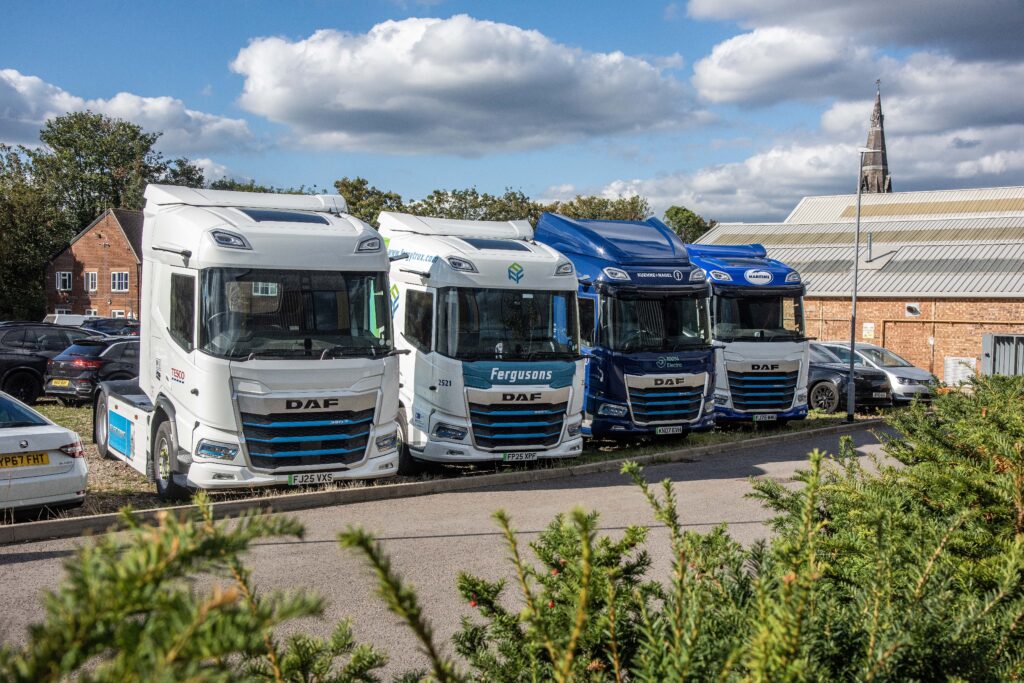
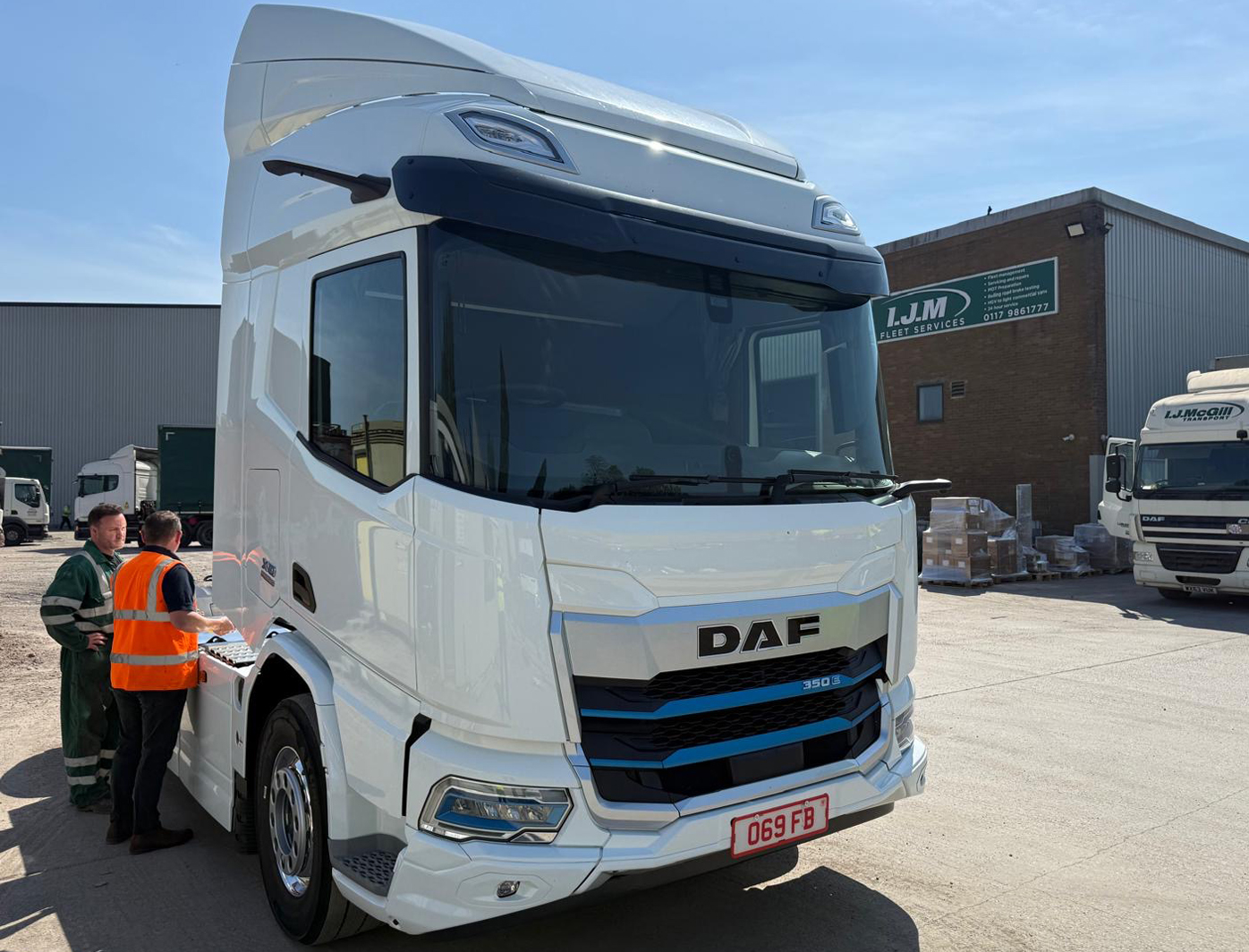
In partnership with the dealer Ford & Slater, DAF showcased a range of eHGVs including units supplied to consortium members Tarmac, Maritime Transport, Kuehne+Nagel and Wincanton. While the manufacturer is trialling other alternative fuel options across the PACCAR group, its primary focus is electrification.  

Unlike other truck makers that favour nickel manganese cobalt (NMC) battery technology, DAF uses lithium ferro phosphate (LFP) chemistry for its longevity and suitability for road transport applications. As well as highlighting the charging options offered through PACCAR Power Solutions, the presentation emphasised the importance of driver training to get the most out of eHGVs.  

Alongside trucks funded by the ZEHID programme, DAF is anticipating more than 100 of its electric trucks will be deployed with UK customers by the end of 2025. The eHGVs on display at Tynseley Energy Park showcased the variety of applications existing technology can satisfy. 

EFREIGHT 2030 Steering Group Member, Andrew Scott, Positive Connections UK and TVS, took part in the “Feeding the Consultation” panel discussion, which focused on the Government’s forthcoming consultation on decarbonisation and electrification of the road freight sector. The session explored what industry stakeholders want to see reflected in the consultation, including priorities such as vehicle weight and dimension changes to support battery-electric operations, residual value guarantees, and clarity on ICE phase-out timelines. Andrew joined fellow panellists Lamech Solomon (Logistics UK), Colin Matthews (JouleVert), and Matthew Deer (Swain Group) to discuss how industry and Government can collaborate to shape a practical, commercially viable pathway to zero-emission road freight. 
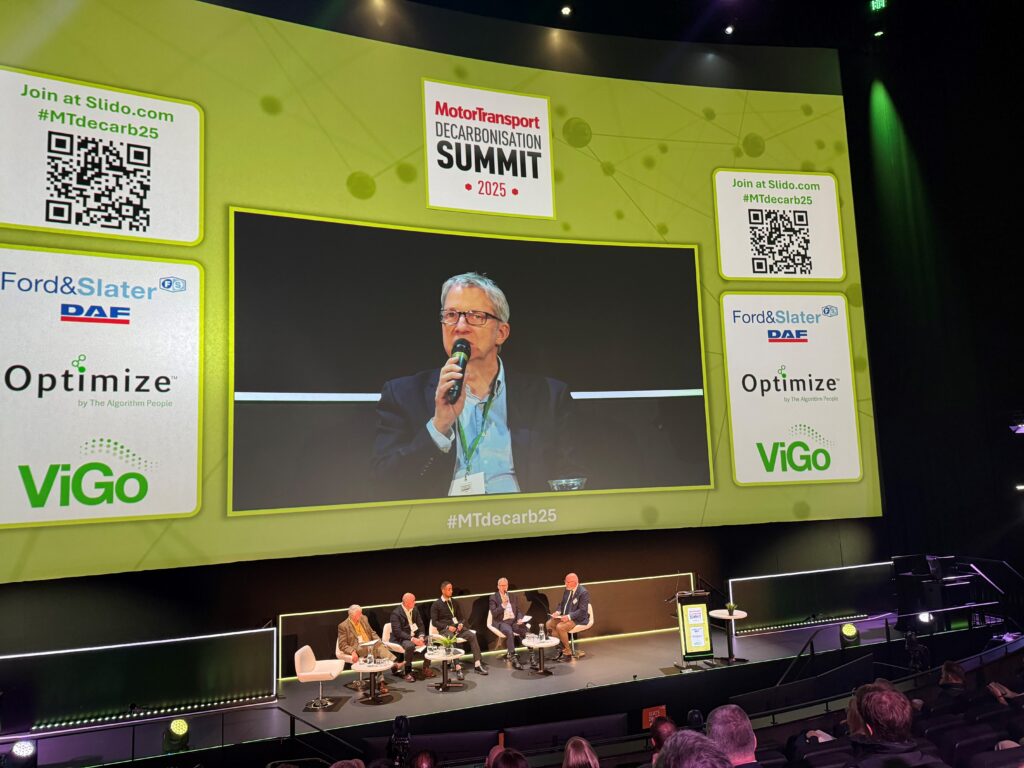
Andrew Scott speaking at the MotorTransport Decarbonisation Summit 2025

Voltempo celebrates start of series production for British-built HyperCharger 

Voltempo celebrates start of series production for British-built HyperCharger

Megawatt charging technology designed for electric trucks paves the way for zero-emission freight.

Voltempo has commenced series production of its advanced megawatt charging system (MCS) – the HyperCharger – marking a major milestone for the UK’s transition to zero-emission road freight.  

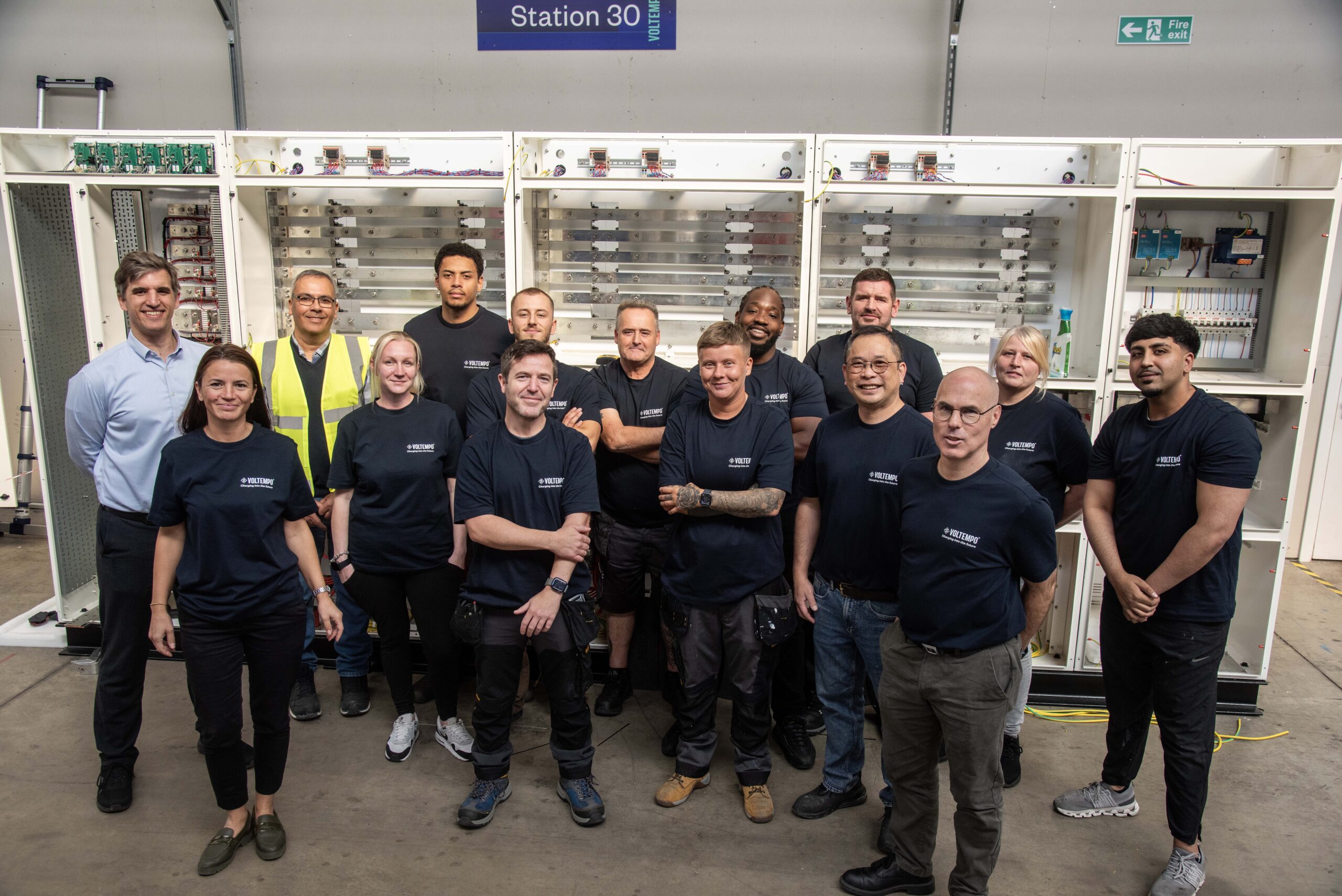
Sir Vince Cable, Chair of the eFREIGHT 2030 consortium, officially opened the facility on 23 September with a ribbon-cutting event at Tyseley Energy Park in Birmingham, where Voltempo has grown rapidly over the past 20 months, expanding from three employees to a team of over 50. This growth reflects a significant investment in the city and the creation of highly skilled technical engineering jobs that are helping to drive the UK’s clean energy transition. 

Supporting the UK’s zero-emission freight transition 
Voltempo is the lead partner of the eFREIGHT 2030 consortium, part of the UK government’s £200m Zero Emission HGV and Infrastructure Demonstrator Programme (ZEHID), delivered in partnership with Innovate UK. As the consortium’s charging infrastructure provider, Voltempo is playing a pivotal role in enabling the transition to zero-emission freight, with the HyperCharger at the heart of this transformation.   

Under the eFREIGHT 2030 project, seven fleets and two charging hubs are deploying Voltempo HyperChargers, each with at least six bays and 1,000kW capacity, while a further two fleets are adopting Voltempo’s lower-powered chargers. The first eFREIGHT 2030 site is already operational, and by Q2 2026 will have deployed the UK’s largest network of MCS-capable chargers. Each HyperCharger is designed for on-site upgrades to support trucks with MCS charge ports at 700kW+ as soon as they arrive in the UK. 

Designed for trucks, from the ground up 
Unlike most available chargers, the Hypercharger is purpose-built for heavy goods vehicles (HGVs). Its striking and innovative “halo” design lifts and protects the heavy charging cables, preventing damage and making operation safer and more practical in busy logistics depots.  

The HyperCharger’s intuitive LED halo interface removes the complexity often associated with charging. With no touchscreens, cards, or apps required, drivers can simply plug in and charge. Its OCPP 2.0 compliance ensures compatibility with all plug-and-charge enabled vehicles. The HyperCharger’s design also minimises downtime and maintenance, delivering a more reliable charging experience. 

Scalable and energy-efficient 
Capable of delivering over 1 megawatt of dynamically distributed power to up to six vehicles at once, the HyperCharger can be scaled across multiple charge points to support large fleets. Designed with sustainability in mind, the system uses low-power LEDs and consumes significantly less standby energy than many conventional chargers – helping operators cut both costs and carbon emissions. 

Michael Boxwell, CEO of Voltempo, said: “Starting series production of the HyperCharger is a defining moment – not just for Voltempo, but for the UK’s journey towards zero-emission freight. Our technology has been designed from day one to meet the real-world needs of logistics operators, and we’re proud to be creating green jobs and driving innovation right here in Birmingham.” 

Sir Vince Cable, Chair of the eFREIGHT 2030 consortium, said: “I’m delighted to officially open Voltempo’s new facility and mark the start of series production for the HyperCharger. This is a major step forward – not just for Voltempo, but for the UK’s transition to zero-emission road freight. The HyperCharger is central to the success of the eFREIGHT 2030 programme and demonstrates how British innovation can create skilled jobs, attract investment, and build the infrastructure we need to compete in the global clean transport economy.”

David Horsfall, Director of Property and Sustainability at Tyseley Energy Park, said: “It has been a pleasure to see Voltempo grow so substantially during their time at Tyseley Energy Park, expanding from just two people to a team of 50 in under two years. Their HyperCharger is a leading example of how the UK can innovate to support zero-emission freight. By working with industrial partners like Voltempo we can test and demonstrate cutting-edge technologies at scale – further strengthening TEP’s role as a national hub for clean energy and low-carbon transport.”

Neale Ryan, Head of Land and Maritime Transport at Innovate UK, commented: “Designed and manufactured in Great Britain, this showcases UK innovation in zero-emission freight, and highlights the power of UK support in helping companies like Voltempo progress through multiple stages of development. The ZEHID programme, funded by UK Government and delivered in partnership with Innovate UK, will generate valuable insights into the future of road transport. Innovate UK is proud to support this effort, which plays a key role in accelerating the shift to zero-emission freight and advancing the UK’s net zero ambitions.” 

Expect Distribution rolls out first electric HGVs under eFREIGHT 2030 project 

Bradford-based logistics provider takes delivery of two new Renault Trucks E-Techs to serve Palletline and cardfactory contracts.

Expect Distribution has taken delivery of its first two fully electric heavy goods vehicles as part of the eFREIGHT 2030 project, marking a major step towards its ambition to reach net zero carbon emissions by 2035. 

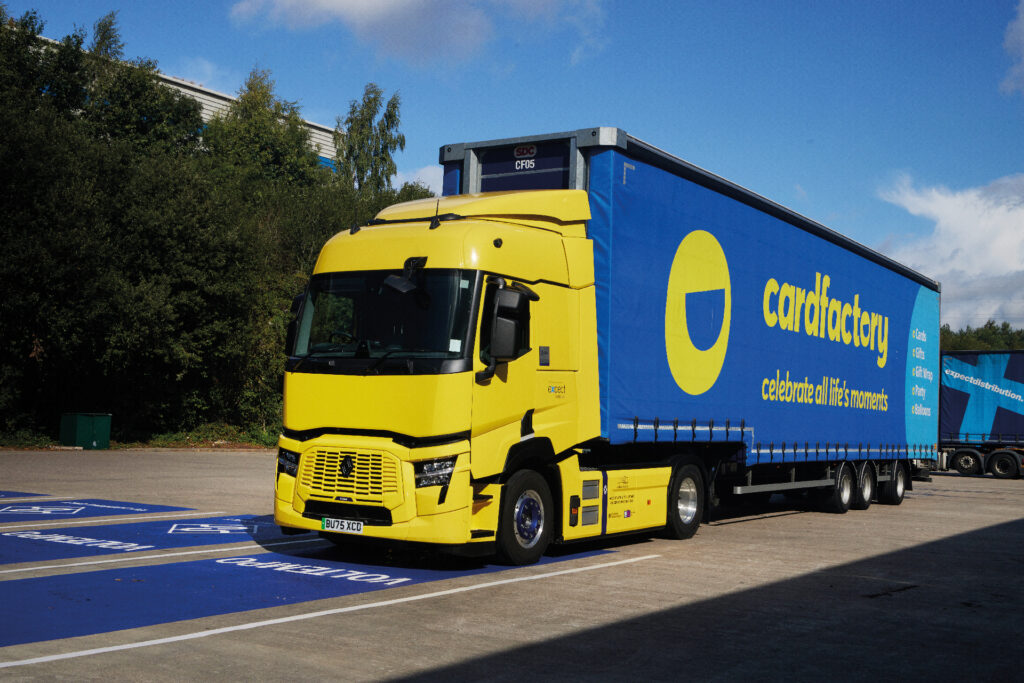
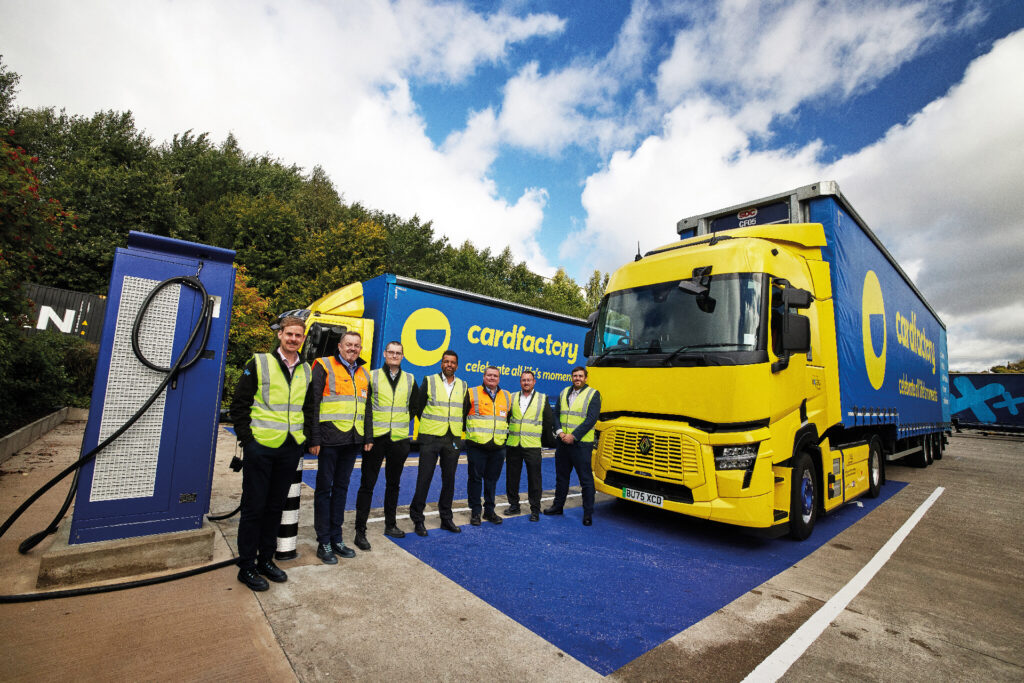
The two vehicles – a Renault Trucks E-Tech T 4×2 tractor unit with sleeper cab and a Renault Trucks E-Tech D Wide rigid with curtainsider body – are the first fully electric trucks to join Expect Distribution’s fleet of more than 100 HGVs. Both vehicles are based at the company’s Woodlands distribution hub in Bradford, just off the M62, where Bradford-based Expect Distribution, a national logistics provider, also has two new 240kW chargers, installed by Voltempo, each capable of charging two vehicles simultaneously.  The new charging facilities will be used primarily to recharge the trucks overnight, with the potential to make planned charging available to third parties at other times. 

One of the vehicles will be used daily to trunk to the Palletline hub in Birmingham, while the second will be deployed on store deliveries for cardfactory across the local region. Together, the trucks are expected to deliver an annual saving of around 195 tonnes of carbon dioxide compared with their diesel counterparts. “These are the very first electric trucks to join our fleet, and we see this as the start of our electrification journey,” said Andy Taylor, Operations Director at Expect Distribution. “The eFREIGHT 2030 project has given us the opportunity to invest in technology that not only reduces our carbon emissions but also to prove that sustainability in logistics can be achieved without unsustainable cost increases.”  

Commenting on what this means for their customer, Mr Taylor said: “We’ve worked closely with cardfactory to align this project with their sustainability goals and to optimise routes to ensure we can service their stores effectively and efficiently with the new EVs.” 

He added: “As a business we are fully committed to achieving Net Zero by 2035, and we see eFREIGHT 2030 as a key step in helping us, and our customers, deliver on these ambitions. We’ll continue exploring where further electrification is appropriate across all our routes.” 

Michael Boxwell, CEO of Voltempo, said: “It’s fantastic to see Expect Distribution deploying their first electric HGVs under the eFREIGHT 2030 programme. These trucks will not only reduce emissions immediately but will also provide valuable real-world data and insights into how eHGVs can operate efficiently in everyday logistics. The more companies that take this step, the faster we can accelerate the industry’s transition to zero-emission road freight.” 

“Expect Distribution’s introduction of its first electric HGVs and charging facilities marks a significant step forward – both for the eFREIGHT 2030 project and for the UK’s shift towards zero-emission freight,” said Simon Buckley, Knowledge Transfer Manager for Zero Emission Mobility at Innovate UK. “Through ZEHID, Innovate UK in partnership with the Department for Transport is supporting projects like this to show how zero-emission road freight can be delivered in practice. Together, we are helping the UK lead the way towards cleaner, smarter logistics.” 

Led by Voltempo, the eFREIGHT 2030 consortium is one of four UK government–funded demonstrator projects under the Zero Emission HGV and Infrastructure Demonstrator (ZEHID) programme, which aims to kickstart the uptake of zero emission HGVs. Expect Distribution’s new electric trucks follow earlier deployments by eFREIGHT members M&S, Welch’s Transport and Kuehne+Nagel, with more deployments to follow over the coming months and next year. 

The eFREIGHT 2030 consortium is introducing up to 100 electric HGVs – a mix of 4×2 and 6×2 tractor units – and 32 new charging locations, the majority of which will have megawatt-charging capacity, over a multi-year real world evaluation that will pave the way for zero emission transport.  

To keep abreast of eFREIGHT 2030 news and developments, visit eFREIGHT’s news page.  

Kuehne+Nagel secures industry first: fully-electric HGV freight channel crossing from Dover to Calais

Kuehne+Nagel secures industry first: fully-electric HGV freight channel crossing from Dover to Calais

eFREIGHT 2030 partners Kuehne+Nagel and Renault Trucks, together with P&O Ferries, have made transport history – and the headlines – with the first fully-electric HGV carrying freight across the English Channel from Dover to Calais. The Renault Trucks E-Tech T completed the landmark return journey aboard a P&O Ferries hybrid vessel, earning a spot on the front cover of July 31st edition of Commercial Motor.

This milestone demonstrates that clean transport is not a vision for the future, but a reality already operating on one of Europe’s busiest trade routes.

The Channel has been a vital artery of trade for more than a thousand years. Now, with the support of the UK Government’s Zero Emission HGV and Infrastructure Demonstrator programme, it has become next stage for a breakthrough moment in zero-emissions logistics.

The successful cross-border journey marks a turning point for sustainable freight. With the whole industry watching, the message is clear: clean transport is ready to deliver.

As the spotlight from Commercial Motor highlights, this isn’t a glimpse of what’s to come. It’s happening now.

eFREIGHT Autonomous secures funding to explore feasibility of autonomous HGVs on UK roads

eFREIGHT Autonomous secures funding to explore feasibility of autonomous HGVs on UK roads

11th AUG, 2025 eFREIGHT Autonomous, a consortium of experts in commercial vehicles and automotive technology, has secured funding and support from the UK Government and industry through the CAM Pathfinder Feasibility Studies (FS) Competition delivered by Innovate UK and Zenzic. 

One of 14 projects selected through the competition, eFREIGHT Autonomous will explore the role of autonomous heavy goods vehicles (HGVs) in the UK from the perspective of fleet operations.  

By evaluating today’s technology and understanding the direction of future developments, the study aims to identify potential use cases, assess commercial viability, and examine the infrastructure and legislative frameworks required to enable autonomous trucking in the UK. 

Led by EV charging specialists, Voltempo Group, developers of the British designed and manufactured electric HGV megawatt charging system, the consortium includes Berkeley Coachworks, designer of the innovative, lightweighted Berkeley Bulldog e-trailer, and data and research partner, Connected Places Catapult. Chairman of the consortium is Sir Vince Cable, former Secretary-of-State for Business, Innovation and Skills who gave the green light to the UK’s first tests of driverless technology in 2014. 

Sir Vince Cable said: “We are delighted to have been selected to take part in the CAM Pathfinder feasibility study to research, evaluate and help shape the future of UK freight transport from the perspective of fleet operators. Autonomous technology offers a chance to  unlock innovation across transport, strengthen the UK supply chain and rethink logistics that are cleaner, greener and better for local communities and better for business”  

Michael Boxwell, CEO of Voltempo said: “Autonomous vehicles are already in everyday use in parts of China and the US, and trials here in the UK, such as self-driving shuttles in Birmingham and autonomous buses in Scotland, are paving the way for wider adoption by 2027 with the full implementation of the Automated Vehicles Act. For freight operators working on tight margins, this is a chance to understand this transformational technology, help shape its future rollout and explore the real cost-saving opportunities it can deliver for the UK supply chain through improved efficiencies.” 

Mark Cracknell, Programme Director at Zenzic, said: “We are thrilled to announce the eFREIGHT Autonomous project, spearheaded by Voltempo, Connected Places Catapult and Berkeley Coachworks, as one of the fourteen exciting CAM Pathfinder Feasibility Studies taking place across the UK.

“The deployment of Connected and Automated Mobility solutions holds incredible promise – enhancing accessibility, reducing emissions, and fostering a transport network that is both reliable and inclusive. The eFREIGHT Autonomous project will serve as a pivotal example in showcasing those benefits. 

“We are looking forward to working with the project consortia as they further develop their business case, demonstrate the commercial readiness of the service, and provide vital insight into the opportunities presented by the deployment of CAM solutions in regions throughout the UK.” 

At the end of the project, eFREIGHT Autonomous will produce reports and briefing documents for government and industry that outline the roadmap for autonomous heavy road freight vehicles, identifying potential opportunities, risks, costs and timescales for autonomous vehicles for the road freight industry.  

In parallel with the study, consortium member Berkeley Coachworks plans to develop autonomous HGVs at its manufacturing site and test track in Trecwn, Pembrokeshire. Following the publication of its reports, eFREIGHT Autonomous plans to examine the opportunity to create real-world trials with autonomous HGVs, running on UK roads, with the potential is to have autonomous HGVs operational by the end of 2027. 

Work on the eFREIGHT Autonomous feasibility study project will begin summer 2025, with results delivered early 2027.  

The founding members of the eFREIGHT Autonomous consortium, and Chair, Sir Vince Cable, are also members of eFREIGHT 2030, part of the Zero Emission HGV and Infrastructure Demonstration programme funded by Department for Transport and delivered in partnership with Innovate UK. eFREIGHT 2030 is currently rolling out electric HGVs and the first phase of an eHGV charging network across the UK, learning how electric trucks can work within real world environments.

eFREIGHT founding members Renault Trucks and M&S mark half-year of zero-emission deliveries

eFREIGHT founding members Renault Trucks and M&S mark half-year of zero-emission deliveries


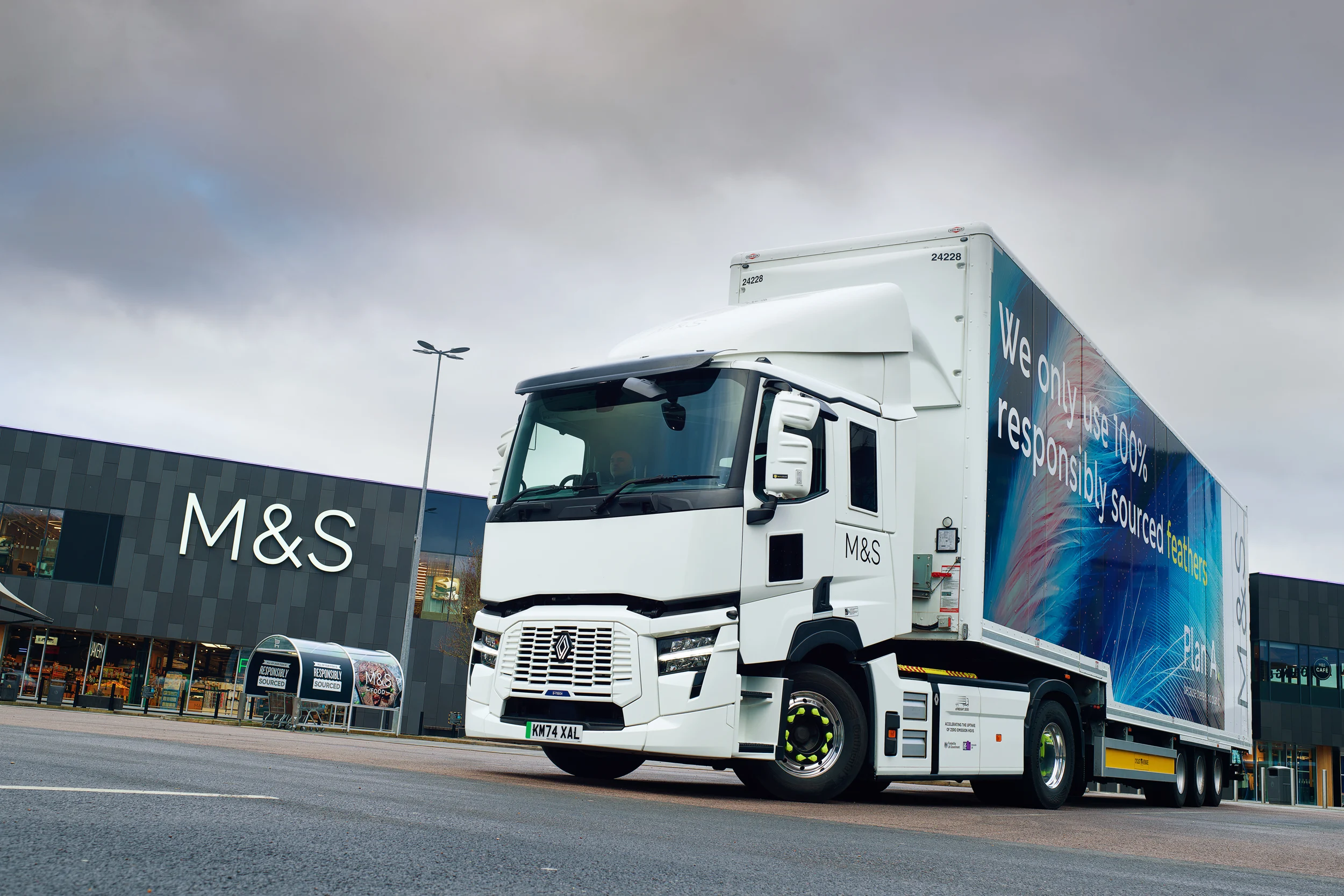
eFREIGHT 2030 is celebrating a significant milestone as two of its founding members, Renault Trucks and leading UK retailer M&S, mark six months of successful real-world operation with five electric Renault Trucks E-Tech T 4×2 HGVs.

Operating from M&S’s Clothing & Home distribution centre in Welham Green, the five E-Tech T vehicles serve 20 stores across London and the South East, including flagship stores Oxford Street and Bluewater – all with zero tailpipe emissions. The vehicles are among the first on the road to start the project’s real-world evaluation of electric HGVs, supporting M&S’s drive to achieve its Net Zero goals by 2040.

Celebrating success

To mark the successful introduction and real-world performance of the electric trucks, M&S and Renault Trucks hosted a special Driver Celebration event at the M&S Welham Green Distribution Centre. The event brought together the teams behind the successful rollout, including drivers, logistics teams, and industry partners, providing an opportunity to share insights and experiences on the transition to sustainable transport.

Driver acceptance of the electric trucks has been consistently positive, with feedback highlighting improved comfort, reduced noise levels and smoother vehicle handling.

Vehicle specifications

The E-Tech T vehicles are powered by six 90 kWh batteries and three electric motors, delivering up to 490kW of continuous power and maximum torque of 2400Nm, coupled to an Optidriver AT 2412 12 speed automated gearbox. Enhanced aerodynamics are provided by air deflectors from Kuda, while additional safety features include door windows for safer urban operation and Renault Trucks’ anti rollaway park brake.

All five E-Tech Ts operate on double shifts, supported by charging infrastructure installed by Voltempo as part of the eFREIGHT 2030 project at the Welham Green base. Future plans include the potential for additional infrastructure at M&S stores to allow for opportunity charging during vehicle stand time.

The milestone builds on M&S’s existing commitment to electric freight, with three fully electric 26-tonne Renault Trucks E-Tech D Wide rigids with refrigerated bodies already successfully operating on double shifts for over a year.


Industry impact

Michael Boxwell, eFREIGHT 2030 Lead, commented: “We’re absolutely delighted to see this milestone achieved by our founding members Renault Trucks and M&S. This six-month success story demonstrates exactly what we set out to prove – that electric HGVs can deliver reliable, efficient commercial operations in real-world conditions, and this is only the beginning!” 

He continued: “The positive driver feedback and seamless integration into M&S’s logistics operations shows the maturity of electric freight technology and provides valuable evidence for the wider industry’s transition to zero-emission transport.”

Carlos Rodrigues, Managing Director, Renault Trucks UK and Ireland, added: “We are proud that M&S has chosen Renault Trucks to lead its transition to zero-emission HGVs and delighted to hear that the progress and performance has been so positive.

“By switching to electric HGVs, M&S is setting the pace for sustainable retail logistics, and we are delighted to be supporting them on their journey to Net Zero. This is not only a demonstration, but also proof that large-scale, emission-free transport is already here, and it works.”
 
The achievement represents an important step forward for the eFREIGHT 2030 consortium, which forms part of the UK Government’s Zero emission HGV and infrastructure demonstrator (ZEHID) programme aimed at decarbonising freight transport by accelerating the uptake of zero emissions heavy goods vehicles.
 

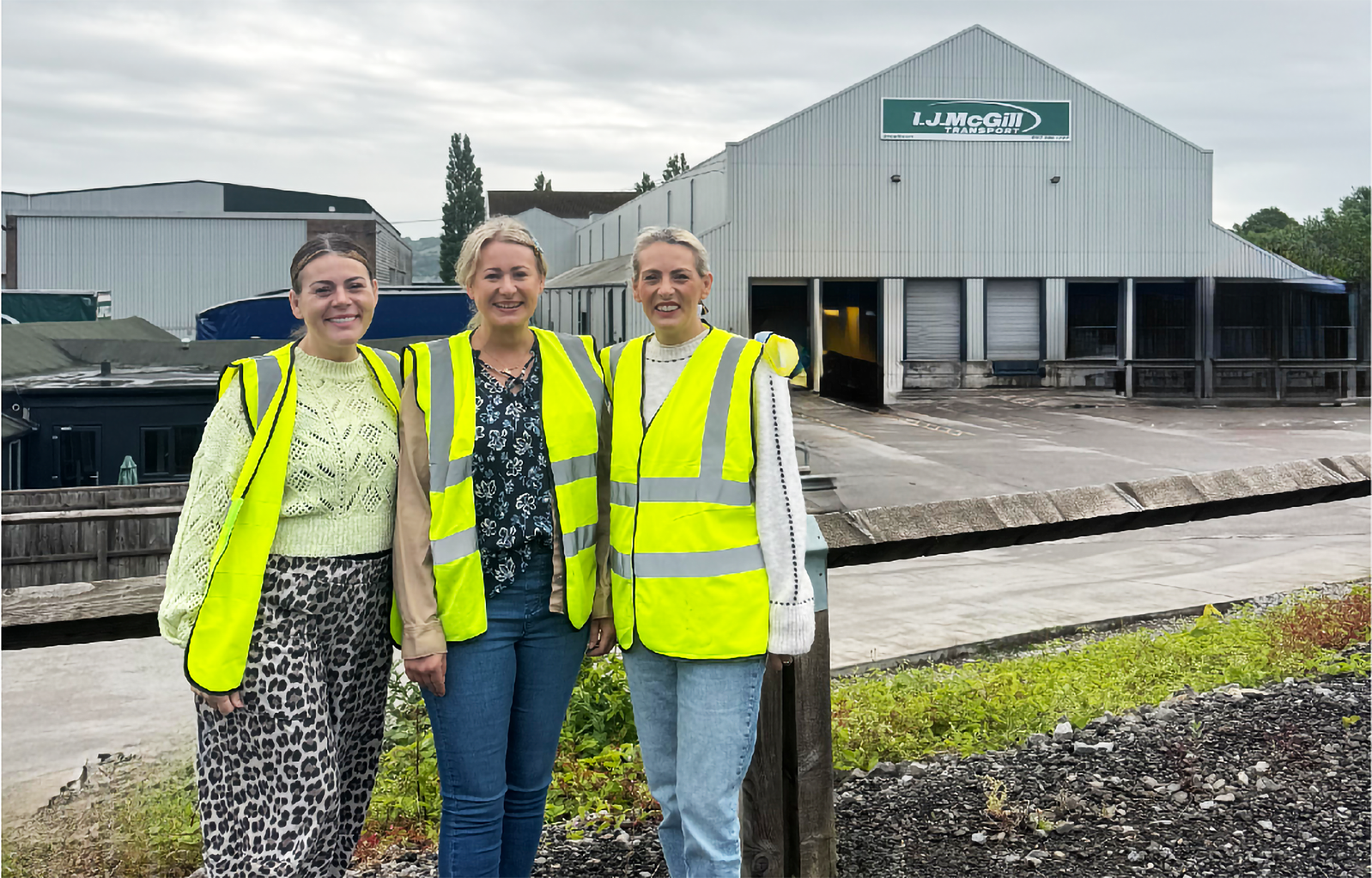
Family-run IJ McGill Transport announced as latest eFREIGHT 2030 consortium member 

Family-run IJ McGill Transport announced as latest eFREIGHT 2030 consortium member


eFREIGHT 2030 has announced family-run IJ McGill Transport as the latest member to join the consortium, which aims to shape the future of zero emission HGVs. 

As part of eFREIGHT 2030, IJ McGill Transport will add three DAF electric vehicles to its existing fleet of approximately 130 vehicles which includes a versatile mix of 40-tonne and 44-tonne tractor units, rigid trucks (ranging from 7.5 tonne to 18 tonne), 3.5 tonne vans, and a variety of trailers, including straight frame, double-deck, and urban configurations. The multi-generational SME (Small and Medium-sized Enterprise) will also install charging infrastructure at three of its five depots, including a Voltempo megawatt HyperCharger at its Bristol site and 240-kilowatt chargers at its Tavistock and West Bromwich locations. 

Heather Brown, Operations Director at IJ McGill Transport, explained:

“Our charging strategy will primarily focus on depot-based charging, utilising the downtime between routes. The megawatt HyperCharger at our Bristol site will be able to charge a vehicle in approximately an hour, while our 240-kilowatt chargers will take around 90 minutes. We’ll be charging vehicles during two key windows – early morning when trucks return from overnight trunking operations between 3-4am, and again in the early evening between 5-7pm before they go out for night work.” 

The new electric vehicles will be used for both daytime distribution and overnight trunk routes, maximising utilisation while taking advantage of off-route charging opportunities. 

Benefits of Consortium Membership 

Joining eFREIGHT 2030 opens up new support and collaboration opportunities for IJ McGill Transport, especially as it begins its transition to electric vehicles. 

Heather Brown added: 

“Joining the eFREIGHT 2030 consortium represents an exciting step in our sustainability journey. As a family business that’s always looked towards the future, introducing electric vehicles allows us to reduce our environmental impact while future-proofing our operations. The consortium’s financial support and shared learning opportunities make this transition more accessible for a company of our size.” 

In addition to support, the company will contribute operational data throughout the five-year programme, helping inform how small and medium-sized enterprises (SMEs) can transition to zero-emission logistics. 

Kelly Pope, HR & Sales Director at IJ McGill Transport, commented: 

“Sustainability has always been important to our business. From route optimisation and maximising vehicle utilisation to installing solar panels on our warehousing facilities, we’ve consistently sought ways to reduce our environmental footprint. Now, with increasing zero-emission zones in cities across the UK, this partnership enables us to offer our customers more sustainable transport solutions while sharing knowledge with other consortium members.” 

Exploring Future-Forward Energy Solutions 

Looking beyond electric vehicles, IJ McGill Transport is exploring a hydroelectric power scheme using an existing weir at the former paper-mill site that now houses its main depot in Keynsham, Bristol. The company is working with local environmental agencies to determine feasibility, with the ambition to generate enough renewable electricity to power its entire fleet in the future. 

Michael Boxwell, Group Chief Executive Officer at Voltempo, which leads the eFREIGHT 2030 consortium, said: 

“I am delighted to welcome IJ McGill Transport into the eFREIGHT 2030 consortium. As a long-established family business with deep roots in the transport industry, IJ McGill brings valuable experience and a genuine commitment to sustainability that aligns perfectly with our mission.” 

“Their forward-thinking approach to green initiatives, from solar panels to exploring hydroelectric power at their historic Bristol site, demonstrates the kind of pioneering spirit we need in this transition. What particularly impresses me is their willingness to embrace new technologies and be among the first to trial innovations – a quality that will be invaluable as we work together to transform the UK’s HGV sector and create a more sustainable future for road freight.” 

Dr Isabella Panovic, Programme Manager – Zero Emission Road Freight, Innovate UK, said: 

“It is fantastic to see another haulier joining the eFREIGHT 2030 consortium, as part of the UK Government-funded Zero Emission HGV & Infrastructure Demonstrator, which is delivered in partnership with Innovate UK. With the addition of these vehicles and I. J. McGills as a new partner, the breadth of data and learnings from the project will be expanded.” 

Eight eFREIGHT 2030 leaders named among 2025 Motor Transport Decarbonisation Power Players

Eight eFREIGHT 2030 leaders named among 2025 Motor Transport Decarbonisation Power Players

eFREIGHT 2030 is proud to celebrate a major milestone in the project’s journey toward zero-emission logistics, as eight of its consortium members have been recognised in the prestigious 2025 Motor Transport Decarbonisation Power Players rankings.

With over 65 nominations for this year’s edition, competition for a place among the top 25 Power Players was fiercer than ever—a testament to the rapid pace of innovation and change across the UK’s road freight sector. The fact that one-third of this elite list is made up of eFREIGHT 2030 participants is a remarkable endorsement of the programme’s ambition, vision and collaborative strength.

The eight consortium members recognised in the top 25 rankings are:

  • #3 – Ben Garner, Head of Logistics Development and Standards, Tarmac
  • #4 – Kate Broome, Sustainability and Social Impact Director, Kuehne+Nagel
  • #5 – Carlos Rodrigues, Managing Director UK & Ireland, Renault Trucks
  • #6 – Chris Welch, Managing Director, Welch’s Transport
  • #8 – Michael Boxwell, Group CEO, Voltempo Group
  • #15– Andrew Scott, Product Director, TVS Interfleet
  • #18– Jamie Sands, Head of Solutions, Welch’s Transport
  • #20 – Angus Webb, Founder and CEO, Dynamon

In addition, Isabella Panovic, Programme Manager – Zero Emission Road Freight at Innovate UK, who plays a key role in overseeing the ZEHID (Zero Emission HGV Infrastructure Demonstrator) programme that eFREIGHT 2030 is part of, was also recognised at #25.

The Motor Transport Decarbonisation Power Players initiative celebrates the individuals driving meaningful progress in the decarbonisation of UK logistics. Candidates are nominated from across the industry—including fleet operators, OEMs, technology providers and public sector organisations—and are evaluated by an independent panel of judges. Selection is based on impact, innovation, and commitment to sustainable freight.

Michael Boxwell, Group CEO of Voltempo and the #8 Power Player, commented: “This is more than just a recognition of individual brilliance—it’s a reflection of what can be achieved through collaborative innovation and a shared commitment to decarbonising UK road freight. We are immensely proud of all those who have been recognised.”
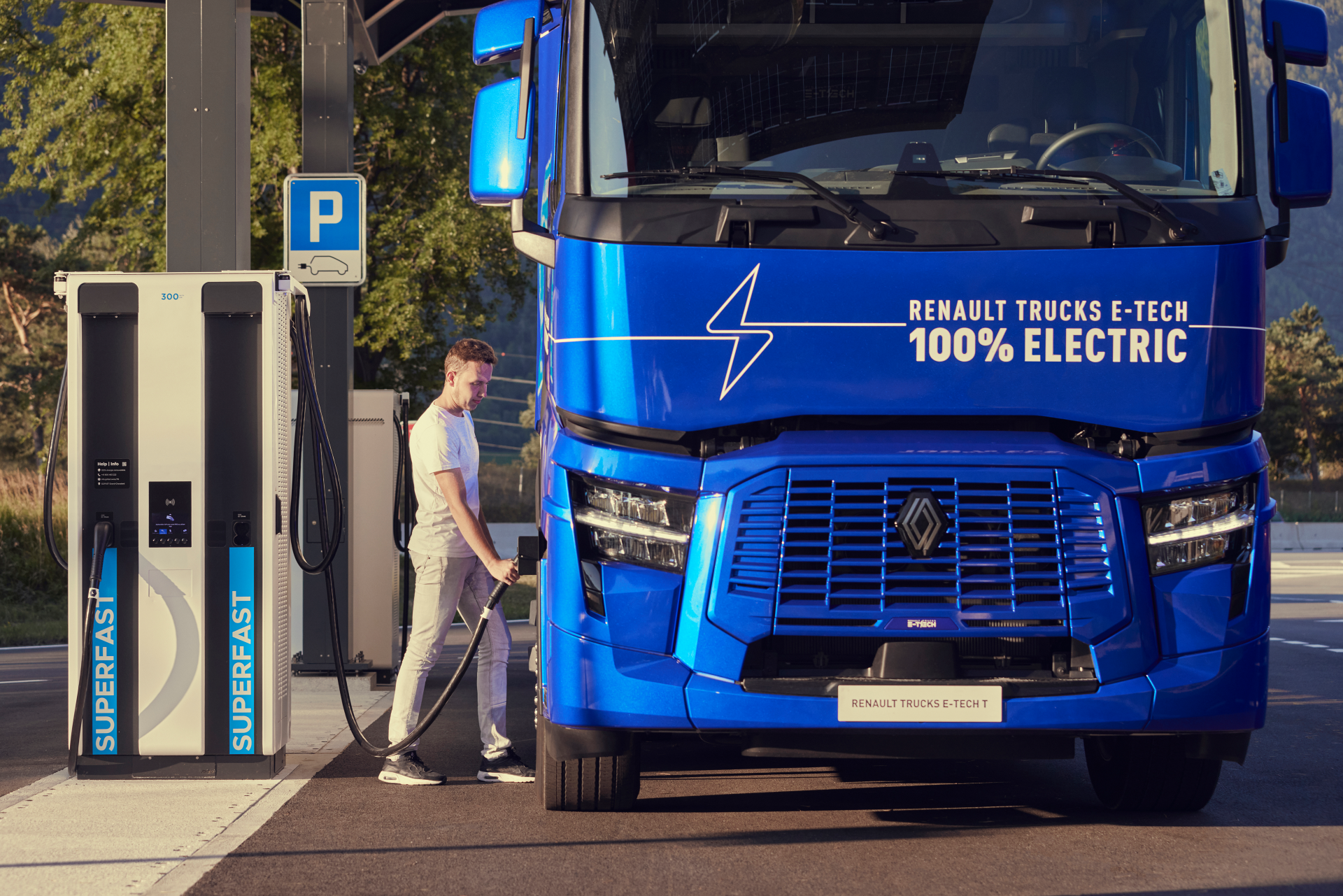
The strong representation of eFREIGHT 2030 leaders in this year’s rankings underscores the project’s growing influence in shaping a cleaner, smarter, and more sustainable freight future. 

Three consortium members made the sought-after ‘Top 5’

Among the eight recognised were three eFREIGHT 2030 members who earned a coveted place in the Top 5 of this year’s Power Players – a significant achievement that highlights their depth of expertise in the decarbonisation space. As well as the prestige itself, the Top 5 Power Players receive a more in-depth write-up within the Power Players supplement, including “judges comments”.

Judges praised third placed Power Player Ben Garner’s “bravery in consistently pushing the organisation forward and sharing his findings with the wider industry.” 

As Head of Logistics Development and Standards at Tarmac, Ben has been a driving force behind the company’s decarbonisation strategy within the construction logistics sector. His leadership led to the development of the UK’s first all-electric ready-mix concrete mixer—delivered in collaboration with Renault Trucks and TVS Interfleet—which is expected to save 42 tonnes of CO₂ emissions annually. He has also been instrumental in the launch of Tarmac’s EV discovery programme to support suppliers and advocates for low-carbon fuels and increased use of rail freight.

Our #4 Power Player, Kate Broome at Kuehne+Nagel, was recognised for her commitment to inclusive decarbonisation. A passionate advocate for SME hauliers, Broome has played a key role in securing significant ZEHID grant funding for zero-emission HGVs and infrastructure and ensuring it is accessible to small operators. She regularly speaks at industry events, advocating for policy and funding support for SMEs and working to inspire optimism about the electric transition. Judges called her “an outstanding role model, personally driving significant progress in road decarbonisation”.

Retaining a Top 5 position for a second year, Carlos Rodrigues at Renault Trucks, was recognised by the judges as “a standard bearer for the truck manufacturers… instrumental in driving the industry forward”. As MD for Uk and Ireland, Carlos has consistently led the manufacturer’s ambitious sustainability agenda. Under his leadership, Renault Trucks has introduced a full range of electric vehicles in the UK and committed to achieving carbon neutrality by 2040. The company has also set interim goals to reduce emissions by 15% by 2025 and 30% by 2030 (from 2019 levels).

These achievements showcase the profound impact that eFREIGHT 2030 consortium members are making—not only within their own organisations, but across the UK’s transport and logistics landscape. Their recognition in the 2025 Power Players rankings reflects the strength of collaboration, innovation, and shared purpose at the heart of this transformative programme.

Follow the eFREIGHT 2030 Trail at the Commercial Vehicle Show!​

Follow the eFREIGHT 2030 Trail at the Commercial Vehicle Show!

Visitors to this year’s Commercial Vehicle Show are invited to follow the eFREIGHT 2030 Trail!

Follow the path to decarbonsiation and hear from our consortium members who will be spotlighting the latest developments in zero emissions road freight as well as the future of HGVs.


Attendees of the Commercial Vehicle Show (29 April – 1 May) can visit eFREIGHT 2030’s dynamic line-up of consortium members and join discussions that explore real world insights from those leading innovation in the sector.

Don’t miss expert-led seminars that feature voices from across the consortium and the ZEHID (Zero Emission HGV Infrastructure Demonstrator) who will deliver key messages into the challenges and opportunities in decarbonising road freight.
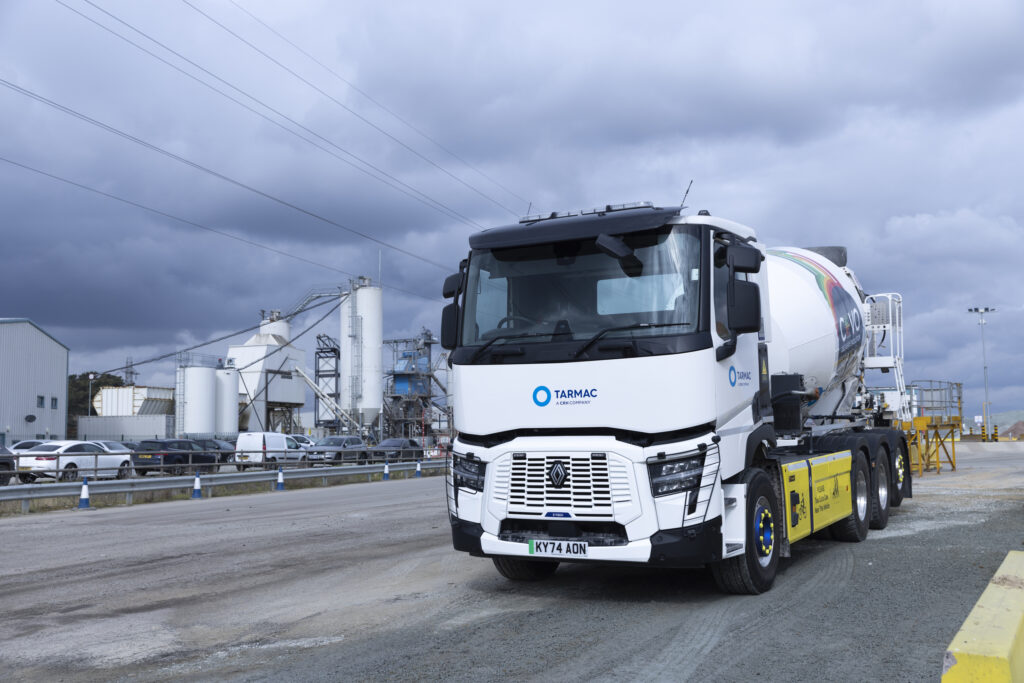
The eFREIGHT 2030 trail will see topics covered from vehicle technology and infrastructure to policy and implementation. Make sure to visit our full lineup for new networking opportunities with collaboration firmly at the heart of the programme’s success. The momentum is building, eFREIGHT 2030 is pushing forward—and there’s so much more to come!

We hope to see you there!

Full seminar overview available here: https://www.cvshow.com/seminar-overview

eFREIGHT 2030 consortium releases report on eHGV purchasing models

eFREIGHT 2030 consortium releases report on eHGV purchasing models

The eFREIGHT 2030 consortium, which is steering the UK’s shift to electric heavy goods vehicles (eHGVs), has released a detailed report on eHGV purchasing options and considerations. 

Aimed at fleet operators looking to navigate the transition with greater confidence, the report offers an in-depth analysis of the financial hurdles and practical solutions that can help guide informed procurement decisions.

Cost challenges: A major hurdle for fleet operators

The report shows that the move from diesel to electric is hampered by steep upfront costs, uncertain residual values and a lack of transparent total cost of ownership data. These factors have left many operators reluctant to invest in new technologies. Detailed case studies reveal how traditional purchasing models often overlook hidden costs, while emerging options – such as flexible leasing, pay-per-use schemes and performance-based agreements – provide more predictable financial outcomes. In essence, the report serves as a valuable resource for anyone seeking a clearer picture of the benefits and risks involved in eHGV procurement.

Exploring purchasing models: Conventional and emerging solutions

The analysis goes beyond the numbers. It highlights the impact of eHGVs on conventional vehicle purchasing models and details real-world trials that demonstrate the potential of innovative approaches. By drawing on industry feedback and pilot data, the report lays out the value that these new models can offer, not only in cost savings but also in operational flexibility.

Importantly, the report does not claim to offer a one-size-fits-all solution. Instead, it acknowledges the uncertainties inherent in the current market – from limited data to the need for robust analytical tools – and sets out recommendations for further research. The consortium advises that fleet operators and key stakeholders test purchasing model propositions, develop a comprehensive total cost of ownership tool based on real-world data, and pilot innovative models in lower-risk environments. This measured approach is designed to refine the options available and help the industry move forward with confidence.


Reace Edwards, Senior Business Model Consultant at Energy Systems Catapult, said:

“Too many fleet operators are hesitating while the electrification revolution speeds ahead. Understanding both current and emerging purchasing models is no longer optional, it’s essential. This report delivers hard-edged, data-driven insights that empower fleets to make decisive investments in the future of transport.”

Lowri Williams, Transport Practice Manager at Energy Systems Catapult, said: 

“Financial uncertainty is the single biggest barrier to electrification. Our analysis dismantles outdated purchasing paradigms and lays out bold, innovative models that could fundamentally reshape fleet investment strategies. This isn’t just a report, it’s a wake-up call for operators ready to lead the change.”

Michael Boxwell, CEO at Voltempo, said:

This report – the first in a series of three exploring vehicle procurement, depot charging, and public charging infrastructure – has been published as part of the eFREIGHT 2030 project, part of the Zero Emission HGV & Infrastructure Demonstrator (ZEHID) programme, which is funded by the Department for Transport and delivered in partnership with Innovate UK. The programme aims to decarbonise road freight transport by accelerating the uptake of zero emissions HGVs, which includes supporting rapid infrastructure deployment to foster cleaner freight operations across the country.”

A final report, showcasing refined versions of the most desirable business model options across the three key focus areas, along with a TCO model designed to help fleet operators assess the costs of fleet electrification, is set to be published later in 2025.